9

Seconds for
A Safer World

Cyber threats are everywhere. And getting sneakier. What can you do to protect yourself, your community and our nation? Take a 9-second pause and think before you click, download, share. A short pause goes a long way.

Stop Scams Before They Start

Start With 3 Easy Steps

1

Avoid the phishing
hook

Scammers bait you with fake offers and links. It’s called phishing for a reason. Take 9 seconds to verify the source and check for typos in the email domain, weird formatting, or unusual links and requests.

Be skeptical of urgent language and questions requiring personal or financial information!

Flip card

How to Protect Yourself

It’s better to go straight to the source’s website or app to verify rather than clicking the link. 

2

How to protect your personal information

Before sharing sensitive information online, take a moment to double-check who’s asking. Be skeptical of requests for details like your date of birth, Social Security number, home address, or banking information.

Flip card

How to Protect Yourself

When in doubt, pause and take 9 to verify the source. Hang up and call your bank using the number on their website, or confirm directly with your boss before sharing anything personal.

3

Use a password manager

Use a strong, different password for every account. If one password is stolen, your other accounts stay protected.

Create long passwords with a mix of letters, numbers, and symbols—for example: SunnyDay!1948.

Flip card

How to Protect Yourself

Pro tip: you can use the "3 random words” technique to build a password that’s easy for you to remember but hard for intruders to guess.

Change your passwords immediately if a security breach has occurred. You can use a Password Manager to create and remember strong passwords for you.

Scams to Look Out For

With advances in technology like AI, scammers are becoming more sophisticated and their tactics are constantly evolving. To help you stay ahead, we regularly update this section with the latest scams and frauds to watch out for.

Ever Heard of Quishing?

Just like links and attachments, some QR codes are up to no good–quishing is when scammers use them to send you to fake sites or steal your information.

Learn more

Flip card

How to Protect Yourself

Only scan QR codes from trusted sources and check the website URL before entering any sensitive details.

Facebook Marketplace Scams

Scammers pose as buyers or sellers to rush you into deals, overpay, or ask you to send money outside the platform. They often disappear once payment is sent.

Learn more

Flip card

How to Protect Yourself

Pause and take 9 before you buy. Avoid upfront payments, don’t move conversations off the platform, and only use secure payment methods. If a deal feels too good to be true, it probably is.
Romance Scams

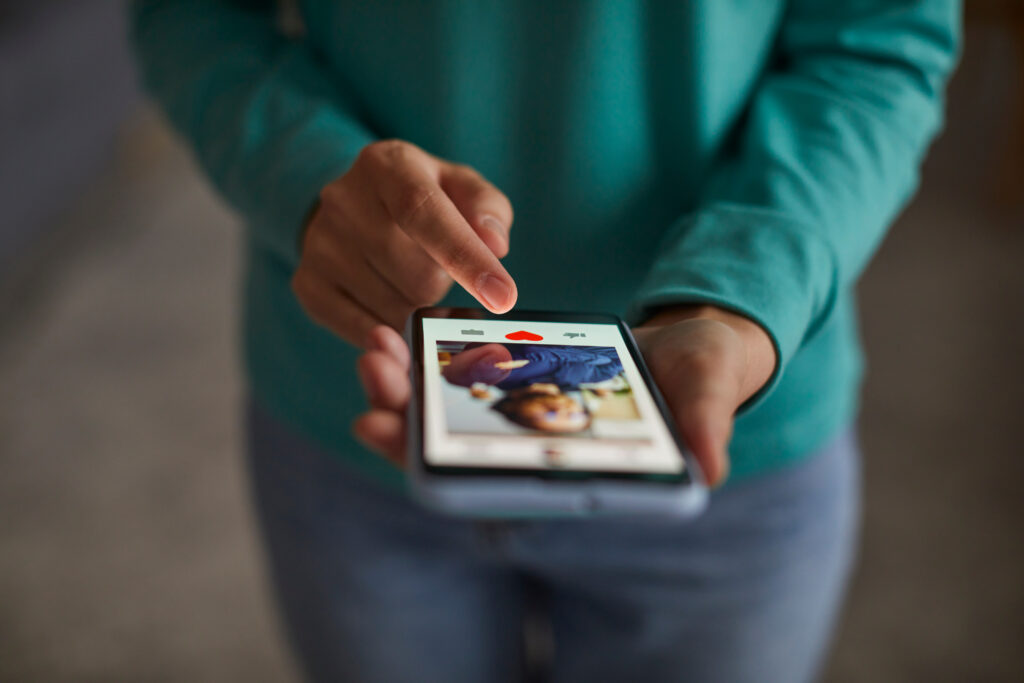
Romance scams happen when criminals use fake profiles to build emotional relationships online, then ask for money or sensitive information.

Learn more

Flip card

How to Protect Yourself

If something feels rushed or too good to be true, take a moment to pause, Take9, and check for warning signs. Verify profiles and photos, stay on trusted platforms, watch for urgency, and never send money to someone you’ve only met online or by phone.

Funeral Scams

Scammers target families during times of loss, posing as funeral homes, service providers, or even charities to pressure you into paying for fake or inflated services.

Learn more

Flip card

How to Protect Yourself

Take 9 before you pay. Work directly with trusted funeral homes, verify any requests for payment, and don’t feel rushed to make decisions. Avoid sharing personal or financial information with anyone who contacts you unexpectedly.
Notorios Scams

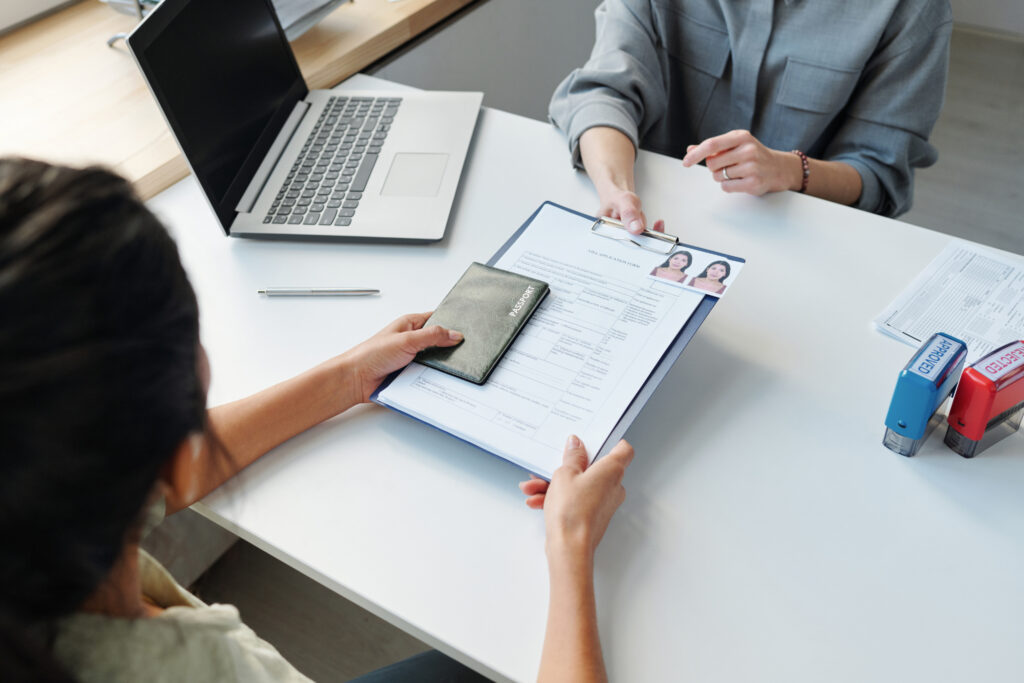
Scammers pose as “notarios” or immigration experts, promising legal help, faster processing, or guaranteed results. They often charge high fees for services they aren’t qualified to provide, putting your money and your future at risk.

Learn more

Flip card

How to Protect Yourself

Only work with licensed attorneys or accredited representatives. Be wary of anyone guaranteeing results or asking for large upfront fees, and always verify credentials through official sources.

Ever Heard of Quishing?

Just like links and attachments, some QR codes are up to no good–quishing is when scammers use them to send you to fake sites or steal your information.

Learn more

Flip card

How to Protect Yourself

Only scan QR codes from trusted sources and check the website URL before entering any sensitive details.

Facebook Marketplace Scams

Scammers pose as buyers or sellers to rush you into deals, overpay, or ask you to send money outside the platform. They often disappear once payment is sent.

Learn more

Flip card

How to Protect Yourself

Pause and take 9 before you buy. Avoid upfront payments, don’t move conversations off the platform, and only use secure payment methods. If a deal feels too good to be true, it probably is.

Romance Scams

Romance scams happen when criminals use fake profiles to build emotional relationships online, then ask for money or sensitive information.

Learn more

Flip card

How to Protect Yourself

If something feels rushed or too good to be true, take a moment to pause, Take9, and check for warning signs. Verify profiles and photos, stay on trusted platforms, watch for urgency, and never send money to someone you’ve only met online or by phone.

Funeral Scams

Scammers target families during times of loss, posing as funeral homes, service providers, or even charities to pressure you into paying for fake or inflated services.

Learn more

Flip card

How to Protect Yourself

Take 9 before you pay. Work directly with trusted funeral homes, verify any requests for payment, and don’t feel rushed to make decisions. Avoid sharing personal or financial information with anyone who contacts you unexpectedly.

Notorios Scams

Scammers pose as “notarios” or immigration experts, promising legal help, faster processing, or guaranteed results. They often charge high fees for services they aren’t qualified to provide, putting your money and your future at risk.

Learn more

Flip card

How to Protect Yourself

Only work with licensed attorneys or accredited representatives. Be wary of anyone guaranteeing results or asking for large upfront fees, and always verify credentials through official sources.

Ever Heard of Quishing?

Just like links and attachments, some QR codes are up to no good–quishing is when scammers use them to send you to fake sites or steal your information.

Learn more

Flip card

How to Protect Yourself

Only scan QR codes from trusted sources and check the website URL before entering any sensitive details.

Facebook Marketplace Scams

Scammers pose as buyers or sellers to rush you into deals, overpay, or ask you to send money outside the platform. They often disappear once payment is sent.

Learn more

Flip card

How to Protect Yourself

Pause and take 9 before you buy. Avoid upfront payments, don’t move conversations off the platform, and only use secure payment methods. If a deal feels too good to be true, it probably is.

Romance Scams

Romance scams happen when criminals use fake profiles to build emotional relationships online, then ask for money or sensitive information.

Learn more

Flip card

How to Protect Yourself

If something feels rushed or too good to be true, take a moment to pause, Take9, and check for warning signs. Verify profiles and photos, stay on trusted platforms, watch for urgency, and never send money to someone you’ve only met online or by phone.

Funeral Scams

Scammers target families during times of loss, posing as funeral homes, service providers, or even charities to pressure you into paying for fake or inflated services.

Learn more

Flip card

How to Protect Yourself

Take 9 before you pay. Work directly with trusted funeral homes, verify any requests for payment, and don’t feel rushed to make decisions. Avoid sharing personal or financial information with anyone who contacts you unexpectedly.

Notorios Scams

Scammers pose as “notarios” or immigration experts, promising legal help, faster processing, or guaranteed results. They often charge high fees for services they aren’t qualified to provide, putting your money and your future at risk.

Learn more

Flip card

How to Protect Yourself

Only work with licensed attorneys or accredited representatives. Be wary of anyone guaranteeing results or asking for large upfront fees, and always verify credentials through official sources.

Ever Heard of Quishing?

Just like links and attachments, some QR codes are up to no good–quishing is when scammers use them to send you to fake sites or steal your information.

Learn more

Flip card

How to Protect Yourself

Only scan QR codes from trusted sources and check the website URL before entering any sensitive details.

Facebook Marketplace Scams

Scammers pose as buyers or sellers to rush you into deals, overpay, or ask you to send money outside the platform. They often disappear once payment is sent.

Learn more

Flip card

How to Protect Yourself

Pause and take 9 before you buy. Avoid upfront payments, don’t move conversations off the platform, and only use secure payment methods. If a deal feels too good to be true, it probably is.

Romance Scams

Romance scams happen when criminals use fake profiles to build emotional relationships online, then ask for money or sensitive information.

Learn more

Flip card

How to Protect Yourself

If something feels rushed or too good to be true, take a moment to pause, Take9, and check for warning signs. Verify profiles and photos, stay on trusted platforms, watch for urgency, and never send money to someone you’ve only met online or by phone.

Funeral Scams

Scammers target families during times of loss, posing as funeral homes, service providers, or even charities to pressure you into paying for fake or inflated services.

Learn more

Flip card

How to Protect Yourself

Take 9 before you pay. Work directly with trusted funeral homes, verify any requests for payment, and don’t feel rushed to make decisions. Avoid sharing personal or financial information with anyone who contacts you unexpectedly.

Notorios Scams

Scammers pose as “notarios” or immigration experts, promising legal help, faster processing, or guaranteed results. They often charge high fees for services they aren’t qualified to provide, putting your money and your future at risk.

Learn more

Flip card

How to Protect Yourself

Only work with licensed attorneys or accredited representatives. Be wary of anyone guaranteeing results or asking for large upfront fees, and always verify credentials through official sources.

Ever Heard of Quishing?

Just like links and attachments, some QR codes are up to no good–quishing is when scammers use them to send you to fake sites or steal your information.

Learn more

Flip card

How to Protect Yourself

Only scan QR codes from trusted sources and check the website URL before entering any sensitive details.

Facebook Marketplace Scams

Scammers pose as buyers or sellers to rush you into deals, overpay, or ask you to send money outside the platform. They often disappear once payment is sent.

Learn more

Flip card

How to Protect Yourself

Pause and take 9 before you buy. Avoid upfront payments, don’t move conversations off the platform, and only use secure payment methods. If a deal feels too good to be true, it probably is.

Romance Scams

Romance scams happen when criminals use fake profiles to build emotional relationships online, then ask for money or sensitive information.

Learn more

Flip card

How to Protect Yourself

If something feels rushed or too good to be true, take a moment to pause, Take9, and check for warning signs. Verify profiles and photos, stay on trusted platforms, watch for urgency, and never send money to someone you’ve only met online or by phone.

Funeral Scams

Scammers target families during times of loss, posing as funeral homes, service providers, or even charities to pressure you into paying for fake or inflated services.

Learn more

Flip card

How to Protect Yourself

Take 9 before you pay. Work directly with trusted funeral homes, verify any requests for payment, and don’t feel rushed to make decisions. Avoid sharing personal or financial information with anyone who contacts you unexpectedly.

Notorios Scams

Scammers pose as “notarios” or immigration experts, promising legal help, faster processing, or guaranteed results. They often charge high fees for services they aren’t qualified to provide, putting your money and your future at risk.

Learn more

Flip card

How to Protect Yourself

Only work with licensed attorneys or accredited representatives. Be wary of anyone guaranteeing results or asking for large upfront fees, and always verify credentials through official sources.